
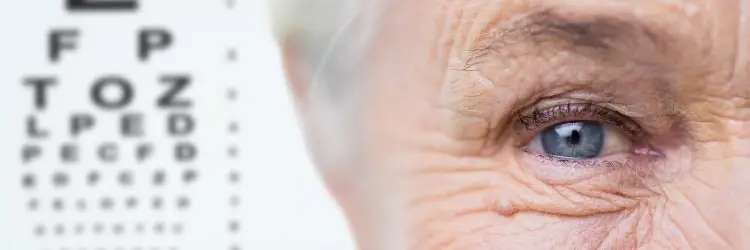
Diabetic retinopathy is a serious health complication associated with diabetes, affecting millions of people worldwide, including a significant number in India. It is the leading cause of blindness in adults and stems from prolonged uncontrolled blood sugar levels, which damage the tiny blood vessels in the retina—the light-sensitive tissue at the back of the eye. Understanding how to prevent and treat diabetic retinopathy can help individuals maintain their vision and manage their diabetes effectively.
Understanding Diabetic Retinopathy
Diabetic retinopathy progresses through several stages, from mild non-proliferative abnormalities, where there are slight changes to the blood vessels in the retina, to moderate and severe stages where the blood vessels that nourish the retina are blocked. In its most advanced stage, called proliferative diabetic retinopathy (PDR), new blood vessels grow abnormally within the retina, leading to significant vision issues and potential blindness.
Symptoms of Diabetic Retinopathy
In its early stages, diabetic retinopathy may cause no symptoms or only mild vision problems. However, as it progresses, symptoms might include:
- Blurry vision
- Spots or dark strings floating in your vision (floaters)
- Fluctuating vision
- Dark or empty areas in your vision
- Vision loss
Early detection through regular eye examinations is crucial, as symptoms often don’t appear until significant damage has occurred.
Risk Factors
Several factors can increase the risk of developing diabetic retinopathy:
- Duration of diabetes — the longer one has diabetes, the greater the risk of developing diabetic retinopathy
- Poor control of blood sugar levels
- High blood pressure
- High cholesterol
- Tobacco use
- Pregnancy
- Being of certain ethnicities such as South Asian, African, or Hispanic descent
Prevention Strategies
Preventing diabetic retinopathy involves controlling the factors that contribute to its development:
- Manage Blood Sugar Levels: Keeping your blood sugar levels within a target range can significantly reduce the progression of diabetic retinopathy. Regular blood sugar monitoring and using medications as prescribed can help manage these levels.
- Maintain a Healthy Lifestyle: Eating a balanced diet rich in fruits, vegetables, and whole grains, regular physical activity, and maintaining a healthy weight can help control diabetes, high blood pressure, and cholesterol.
- Regular Eye Exams: Early detection and treatment of changes in the eyes can prevent severe vision loss. The American Diabetes Association recommends that people with type 1 diabetes have an annual eye exam within five years of their diagnosis, and those with type 2 diabetes should have a prompt examination at the time of diagnosis and annually thereafter.
- Control Blood Pressure and Cholesterol: Managing both can help reduce the risk or slow the progression of diabetic retinopathy.
- Quit Smoking: Smoking increases the risk of diabetes-related complications, including eye disease.
Treatment Options
Treatment for diabetic retinopathy depends on the stage of the disease and how significantly it has affected your vision. The main treatment options include:
- Laser Treatment: For some forms of retinopathy, laser surgery can be used to reduce the number of abnormal blood vessels in the retina or to shrink leaking blood vessels.
- Vascular Endothelial Growth Factor (VEGF) Inhibitors: These are medications that can help stop new blood vessels from growing under the retina. These drugs are administered through injections directly into the eye.
- Vitrectomy: In advanced retinopathy, a vitrectomy may be performed to remove blood from the middle of the eye (vitreous) as well as any scar tissue that’s tugging on the retina.
- Monitoring and Additional Treatment: Ongoing monitoring and treatment adjustments are necessary to deal with the changes in the condition.
Conclusion
Navigating the risks of diabetic retinopathy requires a proactive approach to health management. Regular eye exams, together with good control of your diabetes and associated risk factors, are key to preventing this serious complication. If diagnosed with diabetic retinopathy, following the treatment plan outlined by your healthcare provider can help manage the condition effectively, preventing further vision loss. For individuals living with diabetes in India, understanding and implementing these preventive and therapeutic measures can make a significant difference in maintaining vision and overall quality of life.